Why Some Parking Lots Hold Up—and Others Don’t
At first glance, most newly paved parking lots look the same. Clean lines, smooth surfaces, fresh striping — everything appears uniform.
But fast forward a year or two, and the difference becomes clear. Some lots continue to perform well, while others begin to show cracking, drainage issues, or early wear.
The difference usually isn’t what you see on the surface.
It’s what happened before the asphalt was ever installed.
For property managers, understanding what goes into a quality paving job helps ensure long-term performance, fewer disruptions, and better use of maintenance budgets.
It Starts With the Base—Not the Surface
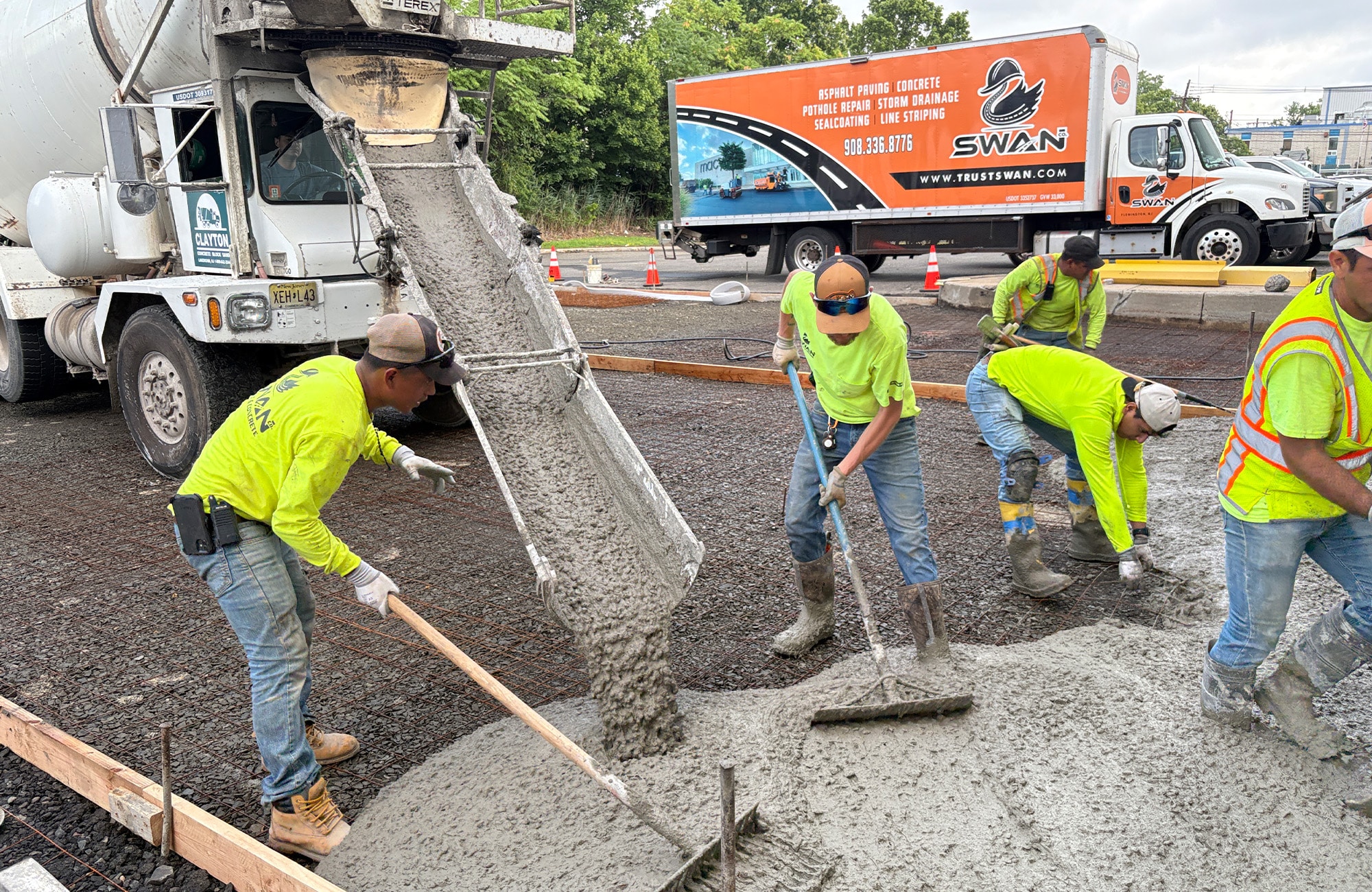
A strong pavement system begins below the asphalt layer.
The subgrade and base provide the structural support that allows the surface to handle traffic, weather, and daily use. If that foundation is weak, even the highest-quality asphalt will struggle to perform.
Issues at this level can lead to:
- Premature cracking
- Uneven settling
- Potholes forming sooner than expected
A properly prepared base ensures that the pavement can distribute weight evenly and maintain its integrity over time.
Surface Preparation Is Where Quality Is Built
Before new asphalt is installed, the existing surface must be properly prepared. This step often determines how well the new pavement bonds and performs.
Preparation may include:
- Milling or removing damaged areas
- Cleaning debris and loose material
- Repairing underlying problem spots
- Creating clean, stable edges and transitions
When these steps are rushed or skipped, the new asphalt may not adhere properly, leading to early separation or failure. Proper preparation creates a clean slate for the new surface to perform as intended.
Drainage Is Part of the Paving Process
Water is one of the most significant factors affecting pavement lifespan.
Even a newly paved lot can begin to deteriorate if water isn’t directed away properly. Poor drainage can allow moisture to infiltrate the surface and weaken the layers below.
That’s why a quality paving job considers:
- Proper grading and slope
- Functional catch basins and drainage structures
- Smooth water flow away from high-traffic areas
Addressing drainage during the paving process helps protect the investment long after installation is complete.
Materials, Thickness, and Compaction Matter
Once the groundwork is in place, the asphalt installation itself must be done correctly.
Several factors contribute to long-term performance:
- Using the right asphalt mix for the property’s traffic demands
- Installing the correct thickness for durability
- Achieving proper compaction to eliminate air voids
Each of these steps plays a role in how well the pavement resists wear, supports traffic, and holds up over time.
Why Some Projects Fall Short
In many cases, early pavement failure isn’t due to one major issue — it’s the result of small steps being overlooked.
Because much of the work happens below the surface, it’s not always visible once the job is complete. But cutting corners on preparation, drainage, or installation can lead to problems that show up later.
Understanding this helps property managers look beyond appearance and focus on long-term performance.
What Property Managers Should Pay Attention To
While you don’t need to manage the technical details of a paving job, knowing what to look for can help you make more informed decisions.
Key things to pay attention to include:
- How the site is evaluated before work begins
- Whether preparation steps are clearly explained
- How drainage is addressed in the plan
- Whether the work aligns with how the property is used
A clear, well-thought-out approach is often a sign of a project built for longevity.
Built for Performance, Not Just Appearance
A paving job should do more than look good on day one — it should perform consistently over time.
Swan Co. approaches paving projects with a focus on preparation, process, and long-term results. As an OSHA-compliant and NAPA-certified contractor, every project is built with safety, durability, and real-world use in mind.
If you’re planning a paving project or want to better understand what goes into long-lasting results, Swan Co. is here to help—call (908) 336-8776 or email info@trustswan.com to start the conversation.